Sustainability
Composting at Home: Turning Waste into Garden Gold
2026-04-10
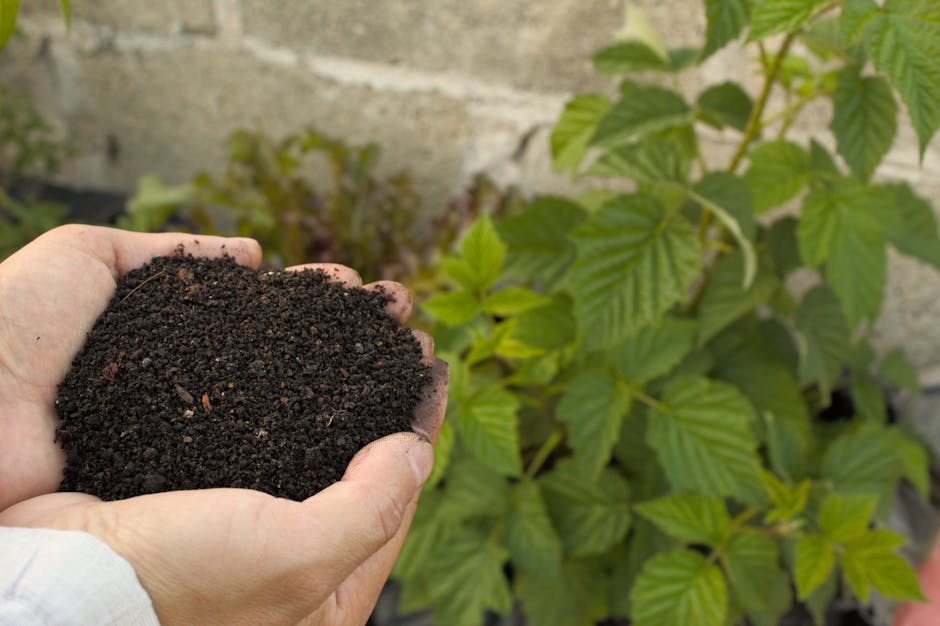
Composting is one of the most valuable skills a gardener can develop. It reduces household waste, saves money on fertilisers, and creates rich, dark compost that improves soil structure and feeds your plants. Starting a compost system at home is easier than you might think.
Why Compost?
Garden compost enriches soil with organic matter and beneficial microorganisms. It improves water retention in sandy soils and drainage in clay soils. Using homemade compost also eliminates the need for commercial fertilisers, saving money and reducing your environmental impact.
What Can You Compost?
Composting works best with a mix of materials. Green materials (nitrogen-rich) include vegetable scraps, grass clippings, and fresh plant trimmings. Brown materials (carbon-rich) include shredded paper, cardboard, autumn leaves, and wood chips. Aim for roughly equal quantities of each.
Avoid composting meat, fish, dairy, oils, and diseased plants, as these attract pests or spread disease.
Choosing a System
You have several options depending on space and budget:
- Open heap – simplest method, requires no equipment, takes longer
- Plastic compost bin – space-saving, affordable, moderately quick
- Wooden bin – attractive, durable, excellent insulation
- Tumbler – fastest results, requires regular turning, more expensive
Building Your Compost
Layer brown and green materials alternately, keeping moisture levels like a wrung-out sponge. Too wet and it becomes slimy; too dry and decomposition slows. In warm months, compost breaks down in 8-12 weeks. Winter composting takes 4-6 months.
Maintaining Your Compost
Turning your pile every few weeks accelerates decomposition and prevents odours. Some gardeners turn weekly for faster results; others leave it undisturbed for a slower, easier process. Add materials regularly but avoid dumping large quantities at once.
Troubleshooting
If your compost smells, it's too wet or has too many greens – add brown materials. If it's not heating up, add more greens or turn it more frequently. Pest problems usually indicate meat or dairy in the bin – adjust what you add.
Harvesting Your Compost
Ready compost is dark brown, crumbly, and smells earthy. Use it in spring when planting vegetables, top-dress borders, or mix into potting compost. You'll be amazed how quickly you accumulate enough for your entire garden.