Growing
Growing Herbs Indoors: Fresh Flavour All Year Round
2026-03-30
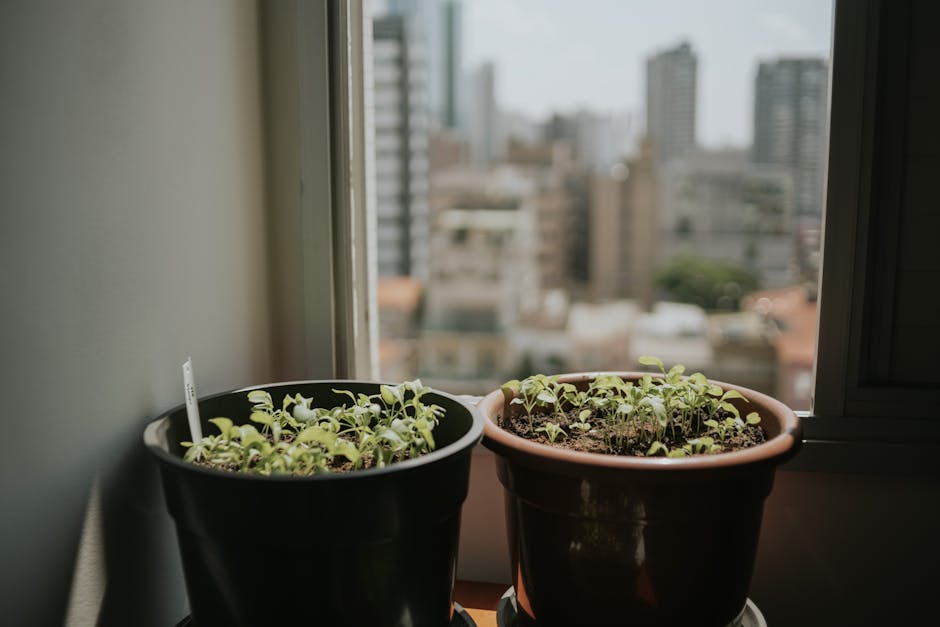
Fresh herbs transform cooking, and growing them indoors means you have flavourful leaves at your fingertips whenever you need them. Indoor herb gardening requires minimal space and equipment, making it perfect for flats, kitchens, or anyone wanting year-round harvests.
The Best Herbs for Indoor Growing
Some herbs thrive indoors better than others. Easy winners include:
- Basil – loves warmth and bright light, grows quickly
- Parsley – tolerates lower light, long-lasting
- Chives – incredibly hardy, regrows after cutting
- Mint – vigorous grower, keep contained
- Coriander – prefers cool conditions, bolt-prone
- Thyme – compact, drought-tolerant
Light Requirements
Herbs need good light to thrive. A sunny south-facing windowsill is ideal, providing 6-8 hours daily. If natural light is limited, consider a small grow light positioned 15-20cm above plants. Inadequate light causes leggy, weak growth.
Containers and Soil
Use pots with drainage holes – a 15cm pot suits most herbs. Fill with multipurpose compost or a specialist seed compost. Ensure pots sit on saucers to catch excess water. Grouping pots together increases humidity slightly, benefiting all plants.
Watering and Feeding
Check soil moisture daily – it should be moist but not waterlogged. Most herbs prefer drying slightly between waterings. Feed monthly with diluted liquid fertiliser during growing season. Reduce feeding in winter when growth slows.
Temperature and Humidity
Most herbs prefer temperatures between 15-21°C. Avoid placing pots near cold draughts or hot radiators. While herbs tolerate average indoor humidity, occasional misting prevents pest infestations and keeps leaves healthy.
Harvesting Tips
Pinch out growing tips regularly to encourage bushier plants. Never remove more than one-third of foliage at once. Regular harvesting actually promotes growth. Young leaves taste best – older leaves become tougher and less flavourful.
Succession Planting
Sow new herb seeds every few weeks for continuous supplies. Fast-growing herbs like basil need replacing every 2-3 months. Slower growers like thyme last longer but benefit from occasional replacement to maintain vigour.
Common Problems
Yellowing leaves usually indicate overwatering. Spider mites thrive in dry conditions – increase humidity. Leggy growth means insufficient light – move plants closer to light sources or invest in a grow light.
Growing herbs indoors connects you to your food source, saves money, and guarantees fresh flavour whenever you cook. Start with easy varieties like basil and chives, then expand your indoor herb collection as you gain confidence.