Growing
How to Start a Vegetable Garden in Your Back Garden
2026-05-03
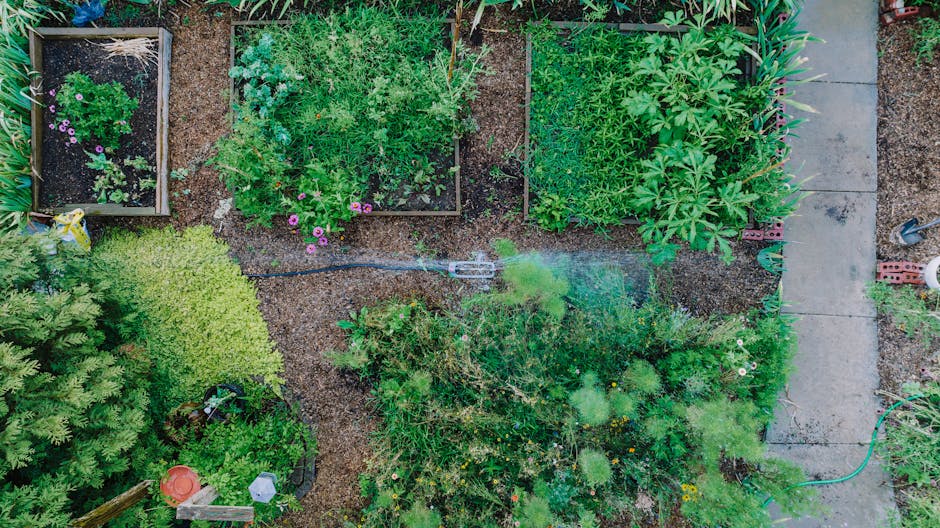
Starting a vegetable garden is one of the most rewarding ways to connect with nature and grow your own food. Whether you have a sprawling back garden or just a small patio, you can grow fresh vegetables throughout the year in the UK.
Choose Your Location
The first step is finding the right spot. Most vegetables need at least six hours of direct sunlight daily, so look for an area that catches morning and afternoon sun. Avoid spots under trees or near fences that cast long shadows. Good drainage is equally important – you don't want water pooling after rain.
Prepare Your Soil
Healthy soil is the foundation of a successful garden. Test your soil's pH and nutrient levels if possible. Most vegetables prefer slightly acidic soil. Work in plenty of organic matter like compost or well-rotted manure to improve structure and fertility. If your soil is poor, consider raised beds filled with quality compost instead.
Start Small
Beginners often make the mistake of planting too much. Start with easy crops that grow well in the UK climate:
- Courgettes
- Lettuce and salad leaves
- Tomatoes
- Beans
- Carrots
- Potatoes
Timing Matters
The UK growing season typically runs from April to October, though you can grow some crops year-round. Check seed packets for the best sowing times in your region. Spring is ideal for most vegetables, while autumn crops like kale and Brussels sprouts can be sown in summer.
Water and Feed Regularly
Consistent watering is crucial, especially during dry spells. Water in the early morning or evening to reduce evaporation. As plants grow, feed them with a balanced fertiliser or compost to maintain nutrient levels throughout the season.
Don't Forget About Pests
Keep an eye out for common garden pests like slugs, aphids, and caterpillars. Encourage natural predators like birds and ladybirds, or use organic pest control methods to protect your crops without harsh chemicals.
Remember, gardening is a learning process. Your first year won't be perfect, and that's perfectly fine. Each season brings new lessons and better harvests. Start simple, observe what works in your garden, and gradually expand your growing knowledge and ambitions.