Sustainability
Making Your Garden Wildlife-Friendly: A Beginner's Guide
2026-03-09
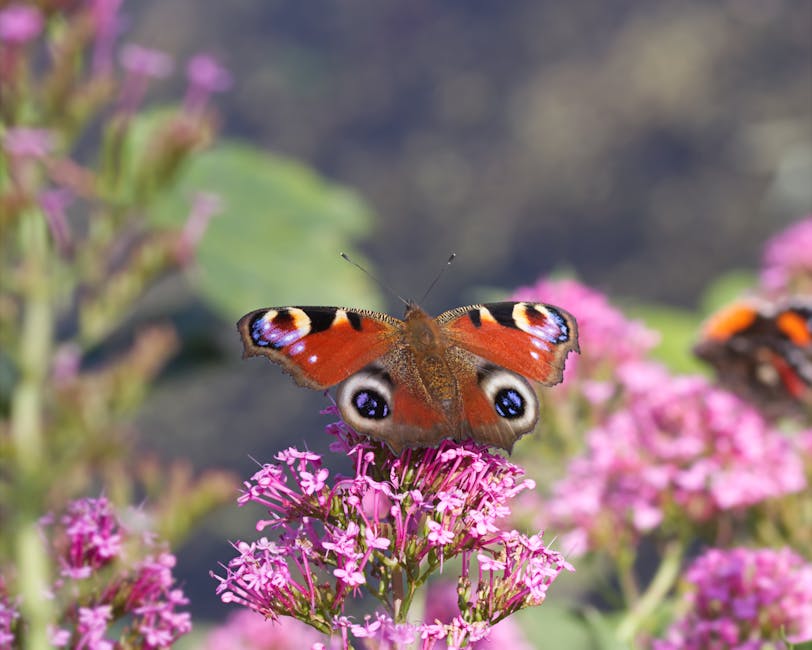
Creating a wildlife-friendly garden benefits nature whilst improving your gardening experience. Gardens filled with diverse wildlife have healthier plants, fewer pests, and provide essential habitats for creatures facing threats in the wider countryside. You don't need special expertise – just a few thoughtful changes.
Plant for Food and Shelter
Native plants are essential. They've co-evolved with local wildlife and provide perfect food and shelter. Include plants that flower at different times, extending the season for pollinators. Evergreens offer winter shelter, while berry-producing plants feed birds. Avoid double-flowered varieties – insects can't access nectar.
Good choices include:
- Spring: crocuses, hellebores, primroses
- Summer: lavender, foxgloves, borage
- Autumn: sedum, asters, dahlias
- Winter: holly, ivy, hawthorn berries
Provide Water
All wildlife needs water. A shallow bird bath or pond, even a small one, transforms your garden. Keep water fresh and clean, changing it daily. Add pebbles or marbles to bird baths so insects can drink safely without drowning.
Reduce Chemical Use
Pesticides kill the insects that wildlife depends on. Instead, encourage natural predators like ladybirds and lacewings. Hand-pick larger pests or use organic methods. Companion planting – growing certain plants together – deters pests naturally.
Create Habitats
Different creatures need different homes. Leave areas of the garden a bit wild – long grass, leaf piles, and dead wood provide shelter and food. Install a hedgehog house or leave small gaps in fences so they can roam. Bird boxes suit different species, and bee hotels attract solitary bees.
Avoid Tidy Extremes
While neat gardens look nice, wildlife prefers some untidiness. Leave fallen leaves, dead stems, and seed heads through winter – they provide shelter and food. Cut back perennials in spring rather than autumn, allowing creatures to overwinter there.
Let Some Areas Grow Wild
Dedicate a corner to wildflowers. Scatter wildflower seeds in spring or autumn, or plant plug plants. Let grass grow longer in patches – many butterflies and moths depend on wild grasses. This approach requires minimal maintenance once established.
Choose Wildlife-Friendly Practices
Compost garden waste rather than burning it. Use mulch to retain moisture and provide habitat. Avoid slug pellets – ground beetles and hedgehogs control slugs naturally. Leave some fruit and vegetables to rot on the ground – wildlife appreciates the feast.
Start Simple
You don't need to transform everything immediately. Begin with one or two changes – perhaps planting native flowers and installing a bird bath. As your wildlife garden develops, you'll notice more birds, bees, butterflies, and beneficial insects. Your garden becomes part of a vital network supporting nature in your local area.