Planning
Seasonal Garden Tasks: Your Month-by-Month Growing Calendar
2026-02-23
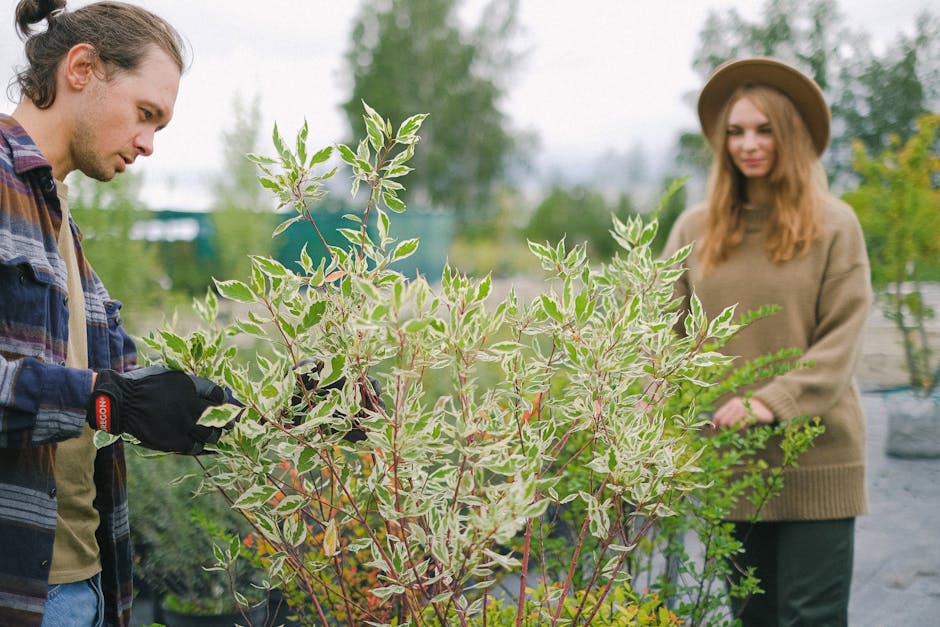
Successful gardening follows nature's rhythms. Understanding what to do each month ensures you make the most of your growing season and maintain a healthy, productive garden year-round. This month-by-month guide helps UK gardeners plan and prioritise tasks.
January and February – Winter Planning
Winter is ideal for planning. Review last year's notes, order seeds and plants, and maintain tools. Prune fruit trees and roses while dormant. Remove dead wood and branches. Check supports and stakes. Start seeds indoors for spring planting late in February – tomatoes, peppers, and tender bedding plants.
March and April – Spring Awakening
Spring is busy. Sow hardy vegetables directly outdoors – peas, beans, carrots, and parsnips. Divide perennials and plant new ones. Harden off indoor seedlings before transplanting. Apply mulch to borders and around trees. Feed lawns and begin regular watering as growth accelerates.
May and June – Growth Season
Plant tender vegetables and flowers after the last frost. Sow succession crops of beans and lettuce every two weeks. Support growing plants with stakes and canes. Deadhead flowers to encourage more blooms. Water regularly, especially during dry spells. Begin pest monitoring and encourage beneficial insects.
July and August – Peak Season
Harvest regularly – picking vegetables young encourages more production. Continue watering deeply during hot weather. Deadhead relentlessly. Sow autumn crops like kale, broccoli, and turnips. Take softwood cuttings from tender plants. Prune spring-flowering shrubs after blooming.
September and October – Autumn Transition
Collect seeds from favourite plants. Plant spring bulbs – tulips, daffodils, crocuses. Sow garlic. Cut back summer bedding and tidy borders. Rake fallen leaves for composting. Plant new trees, shrubs, and perennials. Begin reducing watering as temperatures drop.
November and December – Winter Preparation
Finish planting spring bulbs. Protect tender plants with fleece or cloches. Drain hoses and store equipment. Mulch borders to protect roots from frost. Plant bare-root trees and shrubs. Protect brassicas from pigeons with netting. Clean and oil tools for winter storage.
Task Summary by Activity
- Planting – March to June, September to November
- Pruning – January to February, July to August
- Harvesting – June to October
- Feeding – March to August
- Watering – May to September
Flexibility is Key
This calendar provides a framework, but UK weather varies yearly. Spring arrives early some years, late others. Monitor your garden and adjust accordingly. Keep notes about what worked and when – your personal observations become invaluable for planning future seasons.
By working with nature's calendar, you'll develop an intuitive understanding of your garden's rhythms and produce better harvests with less stress.